
Security Gap Analysis Services in the USA to Identify Security Risks
Most security vulnerabilities in US businesses are not exotic they are predictable gaps that accumulate through configuration drift, delayed patching, and controls that were implemented once and never revisited. CyberZEALS delivers a security gap analysis that identifies those conditions systematically, rates them by business risk and produces a remediation report your team can act on rather than file away.

IT Security Gap Analysis That Compares What You Have Against What You Need
An IT security gap analysis is not an opinion about your security posture it is a structured comparison between your current security controls and the requirements of the framework your business operates under. Where controls are missing, misconfigured, or insufficient, the analysis documents the gap, assesses the risk that gap creates, and identifies the specific remediation action that closes it. CyberZEALS conducts security gap analysis against NIST CSF, CIS Controls, PCI DSS, HIPAA, SOC 2, ISO 27001, and CMMC so the findings are relevant to what your auditors, customers, and regulators actually expect from your security program.
What Cyber Security Gap Analysis Reveals That Routine IT Reviews Do Not
Standard IT reviews confirm that systems are running. A cyber security gap analysis confirms whether the security controls protecting those systems are actually effective. The two questions produce different answers because a system can be operational and insecure simultaneously and it often is.
- Attack Surface Visible Before Attackers Reach It
Gap analysis for security maps the exposure your environment presents to external and internal threats the open services, the overprivileged accounts, the unpatched systems so your team addresses that exposure deliberately rather than discovering it during an incident.
- Audit Evidence Built Into the Process
An information security gap analysis produces the documented evidence that compliance frameworks require organizations to maintain control assessments, risk ratings, and remediation decisions recorded in a format auditors accept rather than assembled under deadline pressure when an audit is announced.
- Remediation Resources Directed at Real Risk
Gap analysis in cyber security produces a risk-rated finding list so your team allocates remediation budget and effort against the vulnerabilities that carry the most business impact rather than the ones that are easiest to fix or most recently discovered.
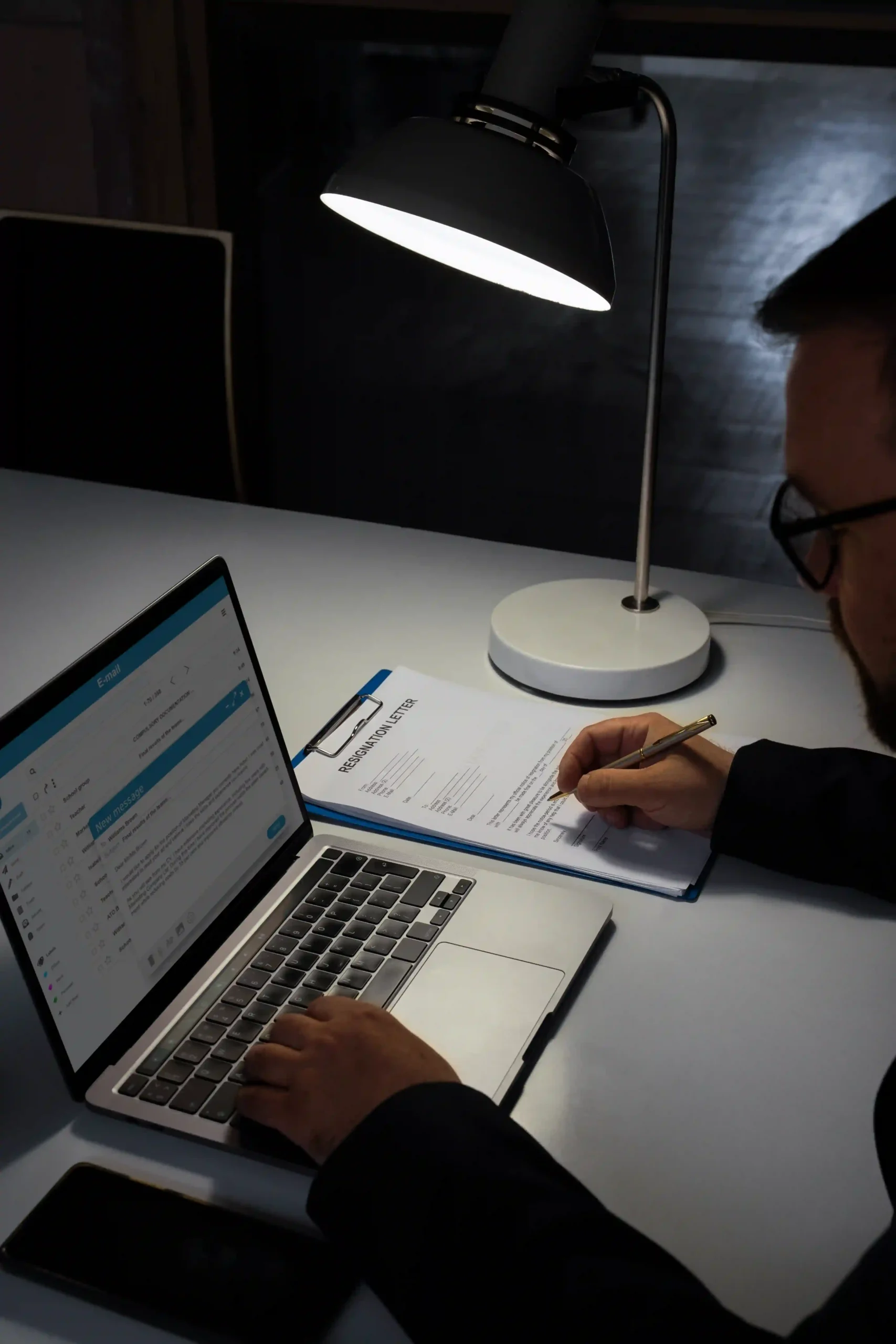
Four Documents Your Security Gap Analysis and Remediation Report Engagement Produces
When you work with CyberZEALS, you obtain personalised, business-focused reports that are truly valuable rather than just a generic checklist:
Risk-Rated Security Gap Report
Every identified gap documented with its CVSS risk rating, the control requirement it violates, the business consequence it creates, and the specific remediation action that closes it written at the level of detail that lets your security and IT teams implement the fix without additional research.
Technical Security Analysis Report
Detailed technical findings covering misconfigured systems, insufficient access controls, unpatched vulnerabilities, weak cryptographic configurations, and monitoring gaps documented with evidence and mapped to the specific systems and services where each gap exists.
Compliance Alignment and Remediation Report
Your findings mapped to the specific control requirements of PCI DSS, HIPAA, SOC 2, or ISO 27001, showing exactly where your current controls satisfy the framework and where they do not structured as the compliance gap documentation your auditors expect rather than as a generic security findings list.
Leadership Security Report and Briefing
A plain-language security report for executives and board members that translates technical findings into business risk what data is at risk, what operations are affected, what the regulatory exposure is, and what the remediation investment looks like without requiring technical expertise to understand.
Security Remediation and Compliance Services That Close Gaps
Schedule a meeting with CyberZEALS to learn how Code Security can assist you in producing high-quality, safe, and compliant applications quickly.

What Our Gap Analysis Engagement Delivers
01
Risk-Rated Gap Finding Report
Every gap documented with CVSS rating, business impact, and specific remediation action.
02
Threat Priority Visualization
A visual risk matrix showing findings by severity and likelihood so remediation sequencing is defensible.
03
Sequenced Remediation Action List
Short-term and long-term fixes ordered by risk reduction impact rather than ease of implementation.
04
Framework Alignment Documentation
Findings mapped to your compliance framework with control status recorded in audit-ready format.
05
Board-Ready Findings Presentation
Executive summary formatted for leadership review without requiring technical background to interpret.
Five Steps in Our Gap Analysis Process
Scope and Framework Alignment
Target environment and compliance framework confirmed before assessment begins.
Control Inventory and Evidence Collection
Current security controls documented against framework requirements through interviews, configuration review, and log analysis.
Gap Identification and Risk Scoring
Gaps between current controls and framework requirements identified and rated by business risk.
Remediation Report Production
All findings compiled into the four-document deliverable set with remediation guidance specific to your environment.
Findings Review and Implementation Planning
Deliverables reviewed with your team and remediation implementation timeline confirmed.
Three Gap Analysis Cyber Security Scope Options We Cover
Not every organization needs the same depth of security gap analysis. Some need a targeted assessment of a specific environment or compliance requirement. Others need a full-scope evaluation of their entire IT estate. CyberZEALS structures gap analysis cyber security engagements around your actual assessment objective rather than applying the same scope to every organization regardless of size, complexity, or compliance obligation.

Targeted Cyber Security Gap Assessment
A focused assessment of a specific system, application, or compliance requirement used when an organization needs to understand its security posture in one area before a specific audit, customer assessment, or infrastructure change.

Full-Scope Security Gap Analysis Program
A comprehensive security gap analysis across your entire IT environment network infrastructure, cloud platforms, endpoints, applications, and access management producing a unified risk picture rather than isolated findings from separate assessments.

Compliance-Driven Audit Gap Review
A gap assessment specifically designed to prepare your organization for an upcoming PCI DSS, SOC 2, ISO 27001, or HIPAA audit, identifying the specific control gaps the auditor will look for and producing the remediation evidence that closes them before the audit begins.
Across Key Industries
Achieved targeted RPO/RTO with cloud backup and disaster recovery, ensuring rapid data restoration and uptime.
CyberZEALS transitioned pro services firm from break-fix to managed IT, slashing critical incidents 40% via continuous monitoring.
Security Gap Analysis Questions Businesses Ask Before Starting
Security gap analysis helps you understand where your current controls are weak, missing, or misaligned with business risk. CyberZEALS reviews your systems, policies, cloud setup, and security processes to show what needs attention before it becomes a compliance or operational issue.
Current Security Control Review
We assess your existing policies, access controls, systems, and security tools to find weak or missing protections.
Risk and Compliance Gap Mapping
We identify gaps against business risks, regulatory needs, and security frameworks so priorities are clear.
Remediation Roadmap
We provide practical next steps to close gaps, reduce exposure, and improve your overall security posture.
How We Identify And Close
Security Gaps
We review your existing security controls, infrastructure, policies, and operational practices to understand your current protection level. This helps identify areas where improvements may be required to strengthen your overall security posture.
We analyze your environment against security requirements, industry practices, and business needs to uncover weaknesses and potential risks. This provides a clearer view of where your current approach may need improvement.
We organize identified gaps based on risk, impact, and priority to create a structured improvement plan. Our recommendations help teams understand the actions needed to address security weaknesses effectively.
We review remediation progress, evaluate implemented changes, and identify additional opportunities for improvement. This helps organizations continuously strengthen their security framework over time.
⭐⭐⭐⭐⭐ 5.0/5
CyberZEALS helped us identify security gaps in our security controls and provided clear recommendations for improvement. Their assessment gave us a better understanding of where we needed to focus our efforts.
Security Analyst
⭐⭐⭐⭐⭐ 5.0/5
We needed a clearer picture of our security gaps and weaknesses and how to address them. CyberZEALS provided a detailed gap analysis that helped us plan the right remediation steps.
Compliance Specialist
⭐⭐⭐⭐⭐ 5.0/5
CyberZEALS helped us uncover areas where our security gaps processes could be improved. Their remediation guidance was practical and helped us strengthen our overall security approach.
IT Security Manager
⭐⭐⭐⭐⭐ 5.0/5
The security gap analysis provided valuable insights into our current environment. CyberZEALS helped us understand our risks and prioritize improvements effectively.
Risk Management Specialist
⭐⭐⭐⭐ 4.0/5
CyberZEALS provided a structured review of our security controls and highlighted areas needing attention. Their recommendations helped us take a more proactive approach to improving security.
Technology Manager
⭐⭐⭐ 3.0/5
We wanted a better understanding of our security gaps before making improvements. CyberZEALS provided clear findings and guidance that helped us move forward with confidence.
Information Security Consultant
We are dedicated to transforming businesses through innovative and future migration, storage We are dedicated to transforming businesses.
FREQUENTLY ASKED QUESTIONS
Security Gap Analysis Questions Businesses Ask Before Starting
What is a security gap analysis and remediation report?
A security gap analysis identifies weaknesses in existing security practices and provides recommendations to address those gaps.
Why do businesses need security gap analysis services?
Businesses need gap analysis services to understand security weaknesses, prioritize improvements, and strengthen their overall security posture.
What does CyberZEALS include in security gap analysis services?
CyberZEALS evaluates existing security practices, identifies gaps, and provides remediation recommendations to improve protection.
Can CyberZEALS help fix identified security gaps?
Yes, CyberZEALS provides guidance and recommendations to help businesses address security gaps and improve their security controls.
How does a remediation report help businesses?
A remediation report helps businesses understand security issues, prioritize actions, and plan improvements effectively.
Who can benefit from security gap analysis services?
Businesses that want to identify security weaknesses and improve their security processes can benefit from gap analysis services.
Recent articles and News
from our blog
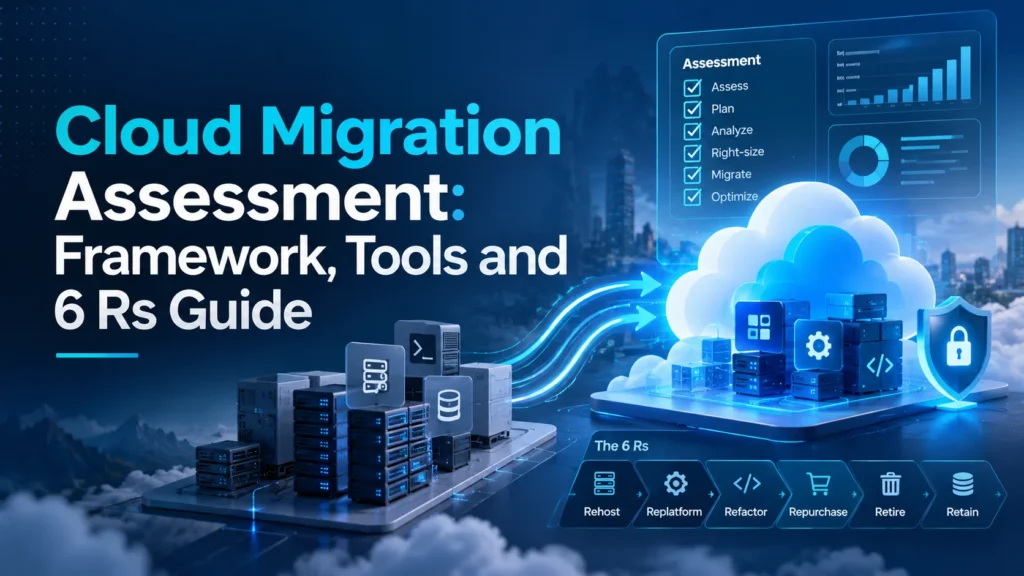
Moving workloads, applications, and data to the cloud requires more than simply transferring existing systems to a new environment. Businesses
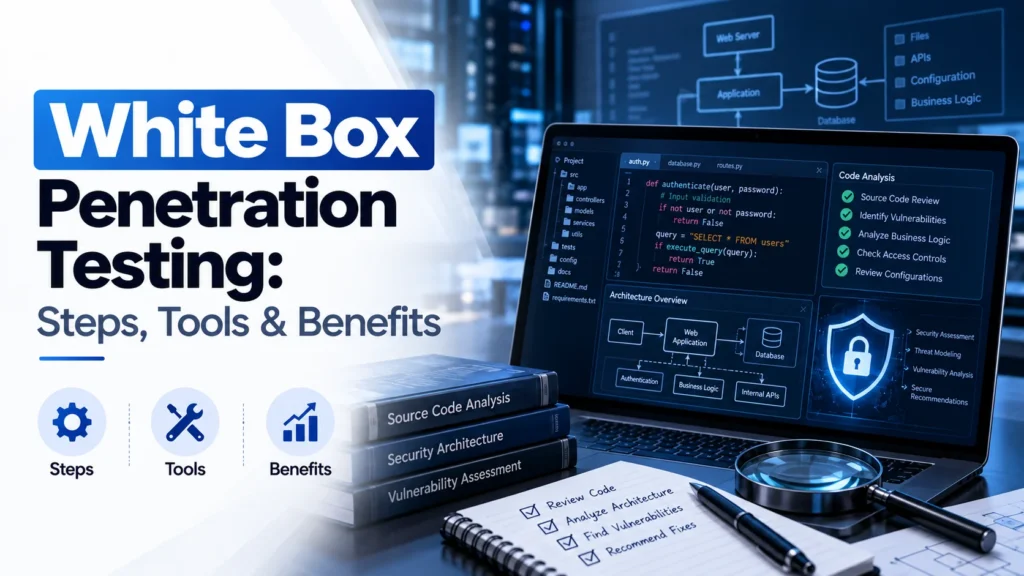
Some security weaknesses are difficult to understand by looking only at what is visible from the outside. Problems may exist
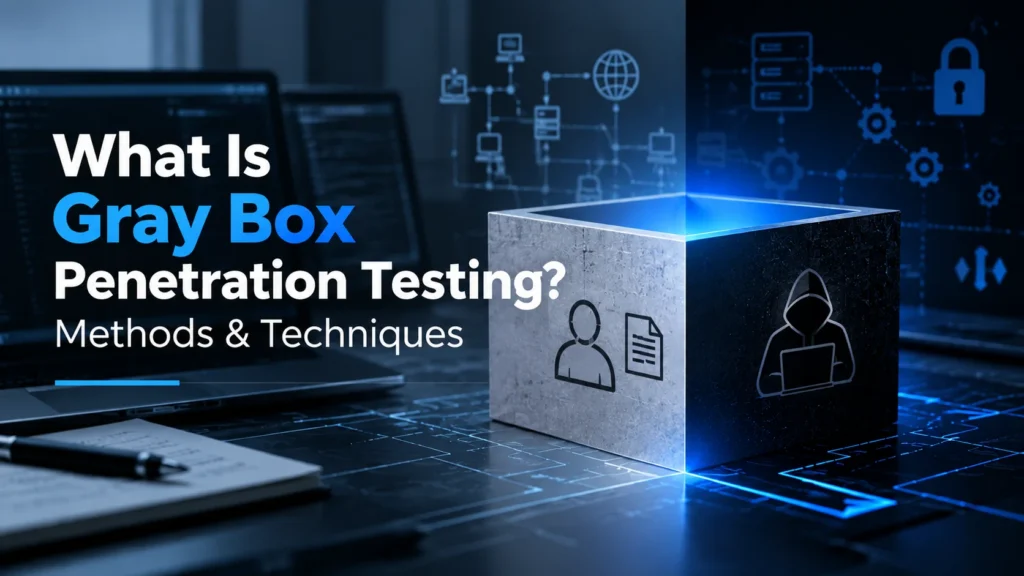
Certain security threats only become visible when a user logs in, which presents a major issue for security businesses thinking
Security testing approaches may change based on how much information the tester receives before beginning the test. Black Box Penetration
Penetration testing helps organizations understand their security weaknesses, and the types of penetration testing in cybersecurity determine how different systems
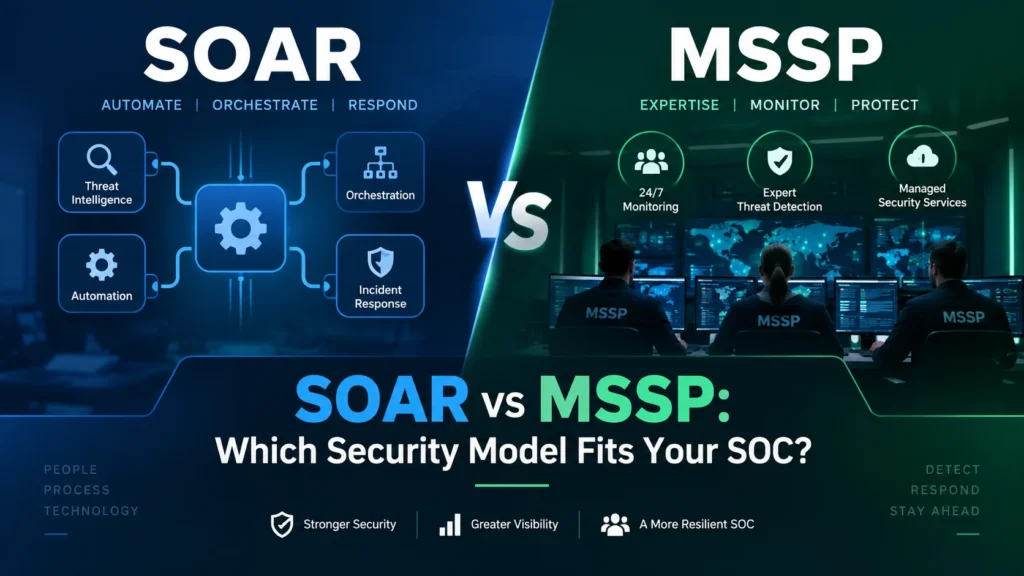
If you are researching SOAR vs MSSP, you are likely trying to strengthen detection and response without overbuilding your security
Share a few details about your needs, and we’ll connect you with the right specialist who can guide you on the next steps within one business day.