
Security Code Services in the USA
For Vulnerability Detection
A vulnerability in source code is cheapest to fix before it compiles. Expensive to fix after it deploys. CyberZEALS provides security code services across the USA that integrate automated scanning, dependency analysis, and secrets detection directly into your development workflow so your team ships code that was validated secure rather than assumed secure.
980+
Successful Services
10+
Years of Experience
900+
Satisfied Clients
10+
Industries Served
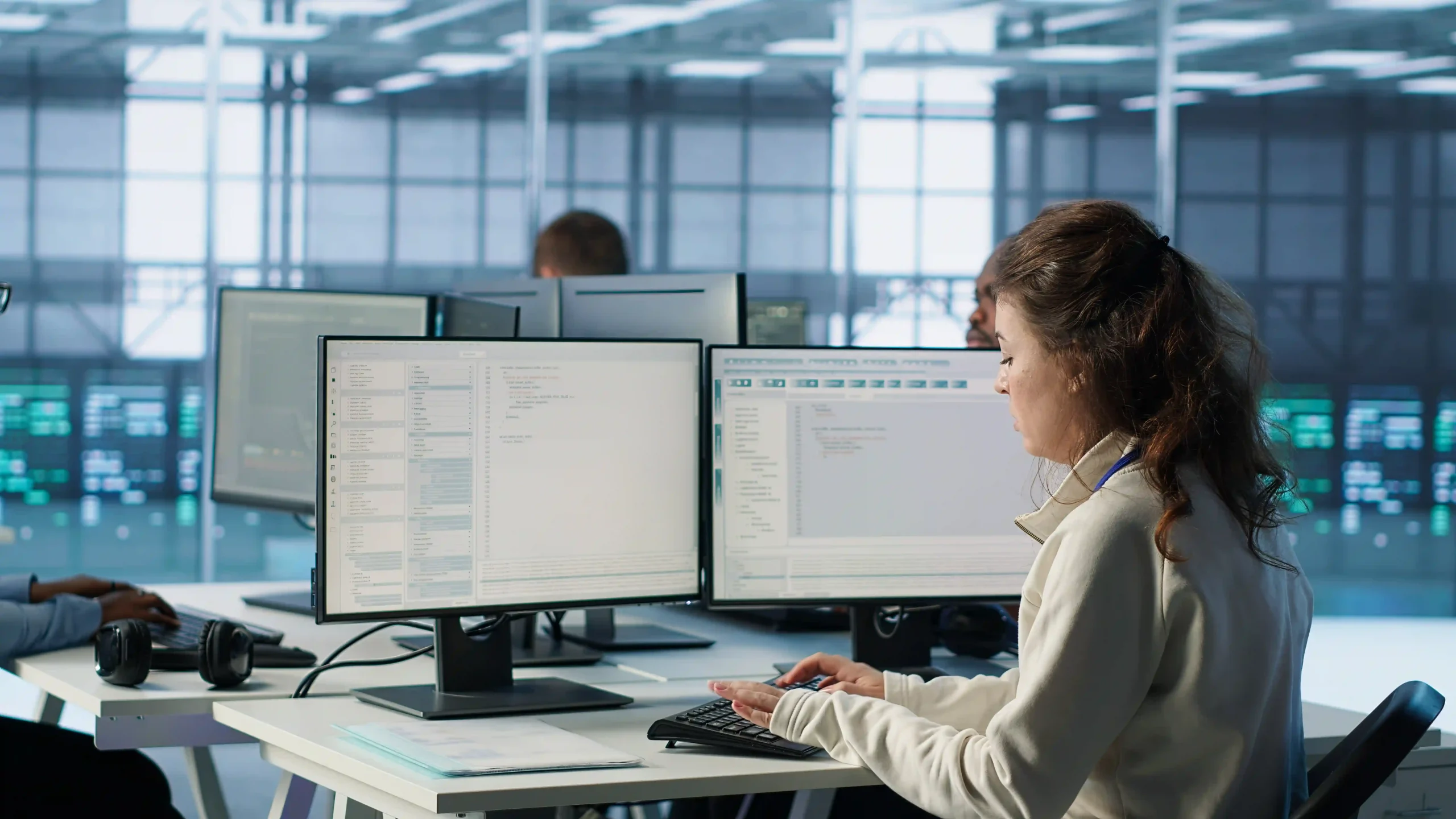
Application Security Code Services That Run Inside Your Workflow
Most security reviews happen too late. By the time a vulnerability is discovered in a completed application, it has already passed through multiple development cycles that would need to be unwound to address the root cause properly. Application security code services that run during development catch issues at the commit level, the pull request, and the build stage so remediation is a ten-minute fix rather than a multi-sprint rework.
Three Business Outcomes Application Code Security Delivers
Application code security reduces vulnerabilities early, improves release confidence, and protects business operations from costly software-level attacks and compliance failures.
- Vulnerabilities Found While Code Is Being Written
Identifying a code security flaw at the developer’s workstation costs a fraction of what it costs to patch the same flaw in a deployed application. Our scanning runs where developers work so the cost of finding issues stays as low as it can possibly be.
- Faster Release Cycles Through Secure Code Review
Secure code review services integrated into your CI/CD process replace the manual, end-of-sprint security gate that slows down every release. Automated findings surface continuously so there is no security debt waiting to accumulate at the end of a release cycle.
- Compliance Evidence Through Code Quality Services
Code quality services that include security validation produce the audit evidence that PCI DSS, SOC 2, and HIPAA require around secure development practices, without requiring your team to manually document security activities that automated tools can record automatically.
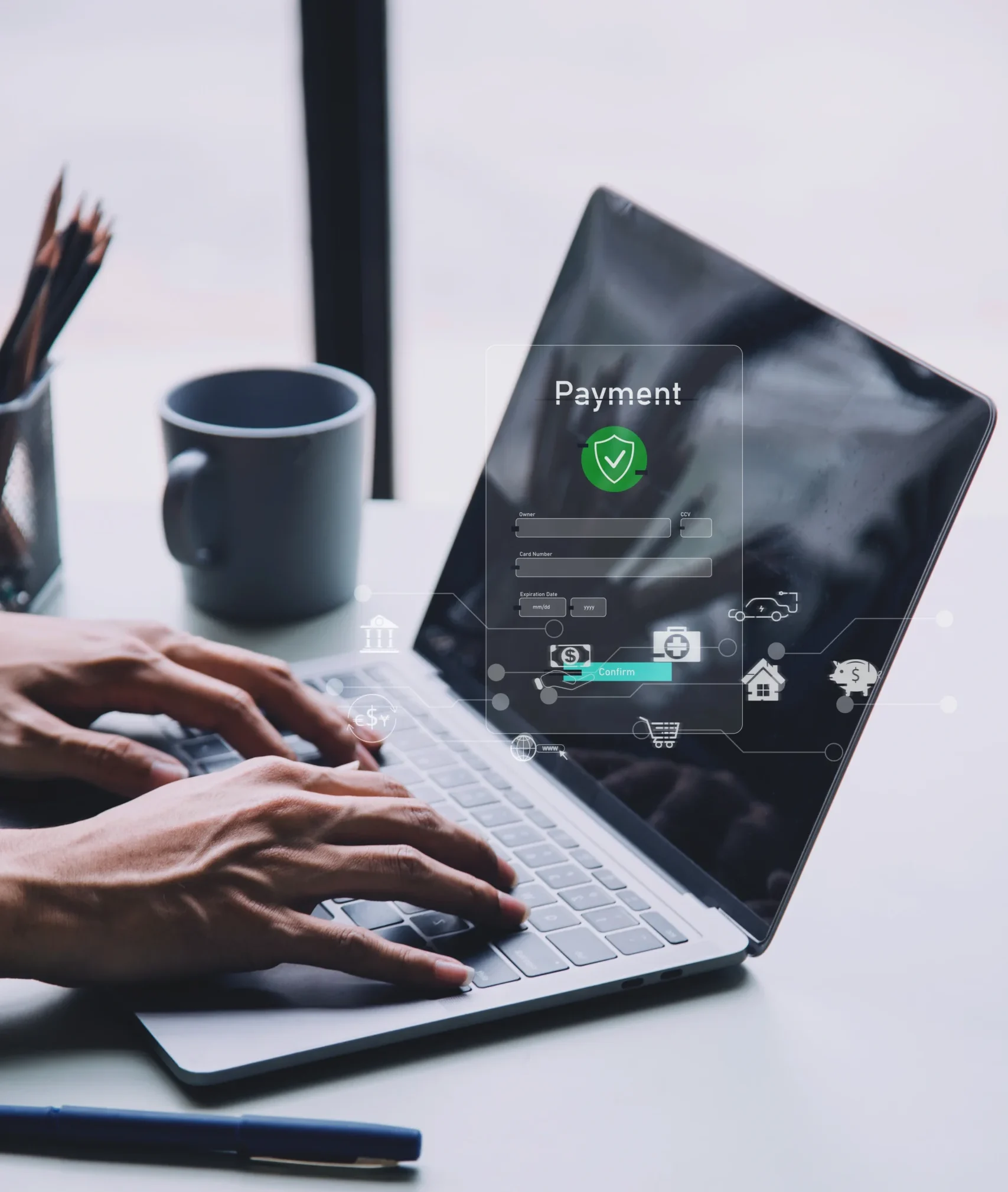
Six Secure Source Code Review Services We Integrate Into Your Pipeline
Each capability targets a distinct vulnerability category. Together they cover every layer of your codebase from first commit to container deployment.
Source-Level Application Code Analysis
Automated static analysis of your source code that identifies injection vulnerabilities, insecure data handling, authentication flaws, and logic errors at the earliest possible point in development before a single line is compiled.
Dependency Risk and Code Quality Scanning
Third-party and open-source libraries scanned for known vulnerabilities and outdated versions that create supply chain risk, giving your team a clear picture of what code quality and security debt lives inside the packages your application depends on.
Credential and Secure Code Exposure Detection
Repositories scanned continuously for API keys, tokens, passwords, and private certificates committed by accident so exposed credentials are identified and revoked before they are discovered in a public repository by someone with less constructive intentions.
Cloud Template Security Services Review
Terraform, CloudFormation, Kubernetes manifests, and Ansible playbooks are analyzed for misconfiguration before they are applied, so infrastructure security is validated in code review rather than discovered after provisioning creates the exposure.
Container Build Code Security Scanning
Docker and container images scanned against vulnerability databases and hardening benchmarks before they are promoted to production registries so workloads run on verified base images rather than inherited assumptions about what the parent image contains.
Unified Application Security Code Visibility
Findings from static analysis, dependency scanning, secrets detection, and container scanning consolidated into a single prioritized view that tells developers which vulnerabilities matter most rather than presenting raw counts from five separate tools.
Security Code Services That Scale With Your Codebase
A codebase that was clean six months ago is not necessarily clean today. Every new dependency, every new feature, and every new developer contributes to a risk profile that changes with every commit. CyberZEALS provides security code services that run continuously alongside your development rather than producing a snapshot that is outdated before anyone acts on it.

What Our Code Security Engagement Produces
01
Vulnerability Risk Report
Ranked code flaws by business impact.
02
Pipeline Scan Summary
Curated scan results with clear context.
03
Security Remediation Recommendations
Actionable steps for fixing vulnerabilities.
04
Remediation Guidance
Actionable fixes for each vulnerability.
05
Pipeline Security Gates
CI/CD checks with pass-fail rules.
How a Code Security Engagement Runs
Codebase Discovery
Review repositories stack and pipelines.
Threat Surface Mapping
Identify high-risk code areas.
Secure Coding Review
Check practices against security standards.
Finding Triage
Remove false positives and rank fixes.
Validation and Baseline
Verify fixes and track ongoing posture.
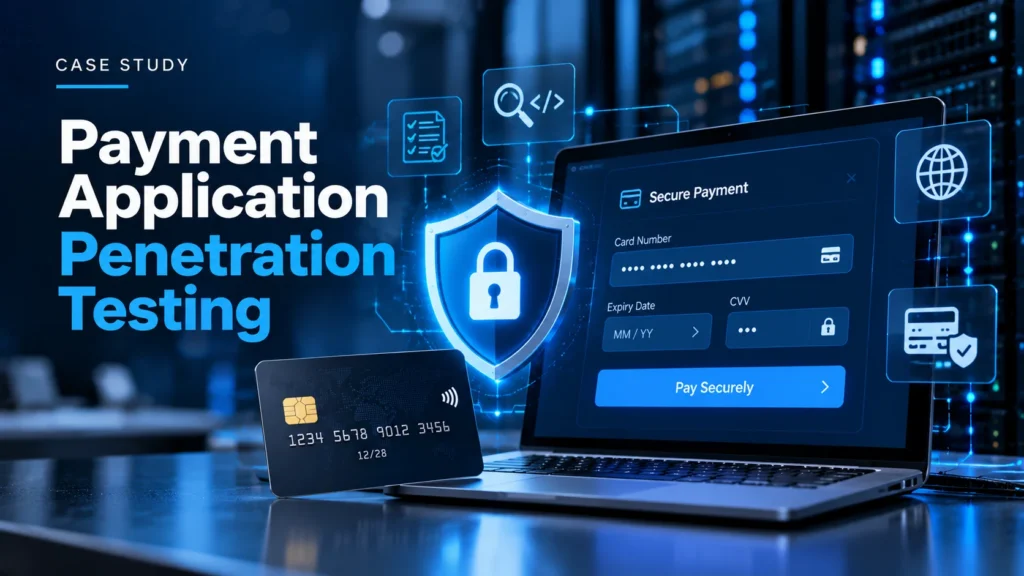
Every Payment Decision, Tested. An authorized manual penetration test of a customer-facing invoice payment application supporting post-payment and prepayment workflows
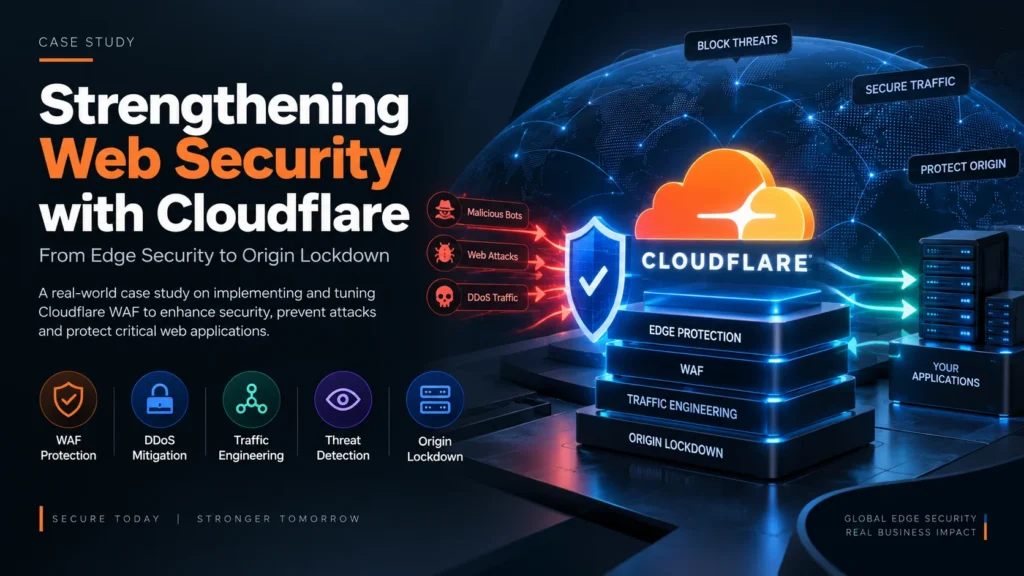
From Edge Security to Origin Lockdown An organization-wide Cloudflare security enhancement combining DNS proxying, TLS hardening, managed and custom WAF
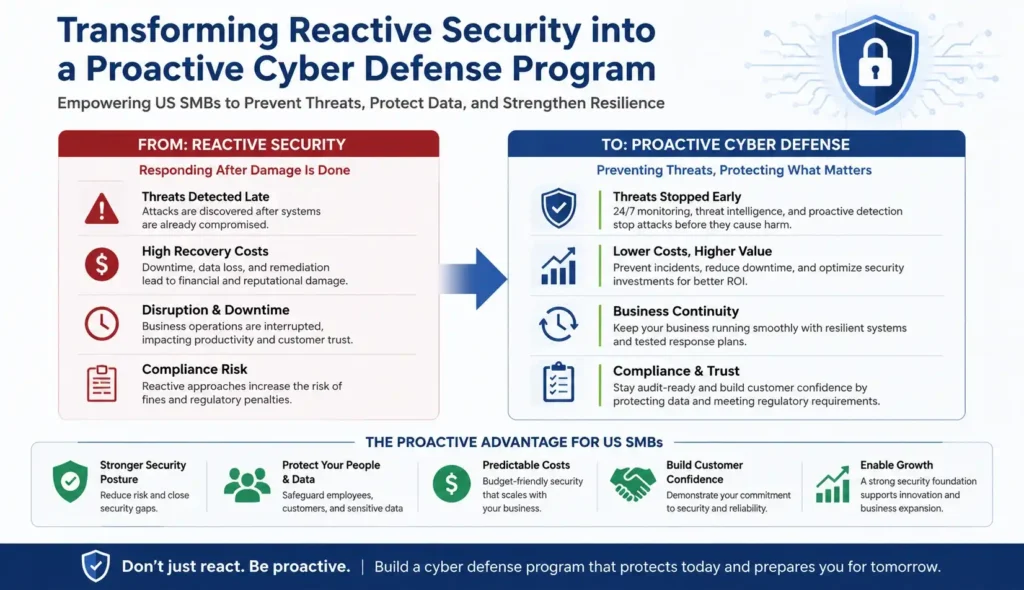
1. Client Background The client is a growing professional services firm that handles sensitive customer data and relies on digital
Four Reasons CyberZEALS Delivers Better Code Quality and Code Security Services

Security That Works Inside Development
Our secure code scanning integrates with GitHub, GitLab, Jenkins, Azure DevOps, and other platforms your team already uses so security controls run as part of the development workflow rather than as a separate process that developers route around when it creates friction.

Full Application Code and Supply Chain Coverage
From the first line of source code through open-source dependencies, secrets, cloud infrastructure templates, and container images, every layer of your application code delivery is covered rather than leaving gaps between tools that each focus on one layer.

Code Quality Reporting That Guides Decisions
Findings delivered with business impact context, exploitability assessment, and specific remediation steps so your team spends time fixing vulnerabilities rather than researching whether each finding is worth addressing.
Security Code Services With Audit Documentation Built In
Our security code services generate the scan records, remediation documentation, and process evidence that compliance frameworks require, maintained as a natural output of the ongoing program rather than as a manual documentation effort before each audit.
How We Strengthen Security Across Your Codebase
We analyze your applications, source code practices, development workflows, and existing security measures to understand potential risks. This helps identify areas where stronger coding standards and security improvements can be applied.
We examine code for security weaknesses, configuration issues, and potential risks that could impact application safety. Our approach helps uncover vulnerabilities early and supports more secure software development.
We help integrate security-focused practices into your development process to improve code quality and reduce security risks. This supports developers in building applications with stronger protection from the beginning.
We review security findings, track improvements, and refine code protection practices as applications continue to evolve. This helps maintain a more secure development environment throughout the software lifecycle.
⭐⭐⭐⭐ 5.0/5
CyberZEALS helped us uncover issues in the source code that had been easy to miss during normal development reviews. The findings were clear enough for our developers to understand the risk and make the right fixes.
Software Engineering Manager
⭐⭐⭐⭐ 5.0/5
We wanted better visibility into the third-party packages our applications depend on. The review highlighted vulnerable and outdated components and helped us focus remediation on the dependencies that needed attention first.
Application Security Lead
⭐⭐⭐⭐ 5.0/5
One of our concerns was sensitive information ending up in repositories during everyday development. CyberZEALS helped us identify exposed credentials and improve the way our team handles secrets in the codebase.
Development Manager
⭐⭐⭐⭐ 5.0/5
The infrastructure code review was particularly useful for us. Their team identified configuration issues in our deployment templates before those settings were carried into the live environment.
Cloud Platform Manager
⭐⭐⭐⭐ 5.0/5
CyberZEALS reviewed our container images and found vulnerabilities in components we were already using in builds. The recommendations were practical and gave our team a clear path for addressing the higher-risk findings.
Platform Engineering Lead
⭐⭐⭐⭐ 5.0/5
What stood out was that we did not receive a long list of scanner alerts with no context. The findings were reviewed and prioritized, which made it much easier for our engineering team to decide what needed to be fixed first.
VP of Engineering
We are dedicated to transforming businesses through innovative and future migration, storage We are dedicated to transforming businesses.
FREQUENTLY ASKED QUESTIONS
Code Security Questions That Buyers Ask Before Getting Started
What is code security?
Code security focuses on identifying and reducing security risks within software code to create safer applications.
Why is secure coding important for businesses?
Secure coding helps businesses reduce vulnerabilities, protect applications, and prevent security issues caused by coding weaknesses.
What does CyberZEALS provide through code security services?
CyberZEALS helps businesses identify code-related security risks and improve development practices for more secure software.
Can CyberZEALS review existing application code?
Yes, CyberZEALS helps assess code security and identify areas where improvements can strengthen application protection.
How does code security improve application reliability?
Code security helps identify weaknesses early and supports the development of more stable and secure applications.
Who can benefit from code security services?
Businesses developing software applications that need stronger security practices and safer code can benefit from code security services.
Recent articles and News
from our blog
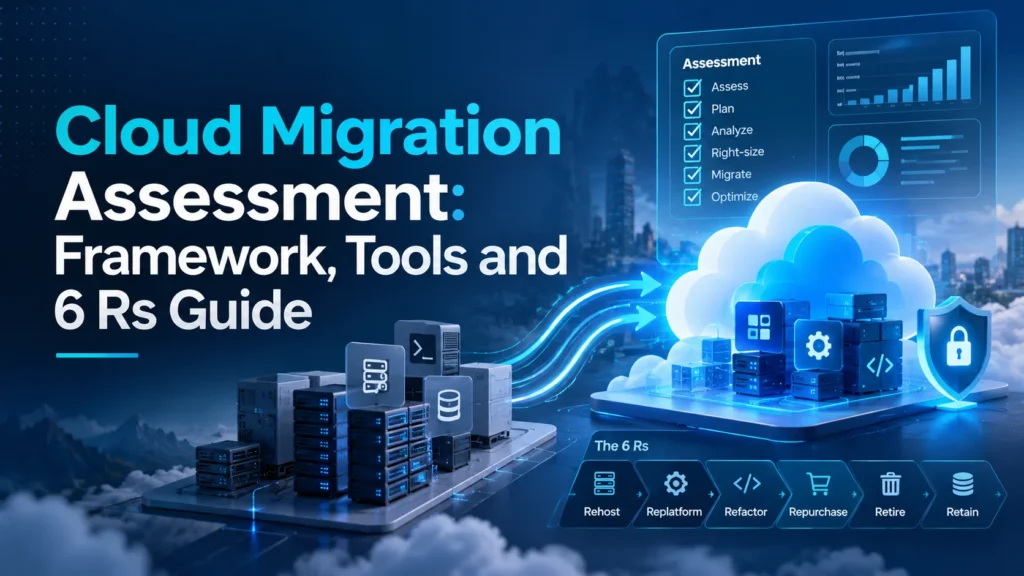
Moving workloads, applications, and data to the cloud requires more than simply transferring existing systems to a new environment. Businesses
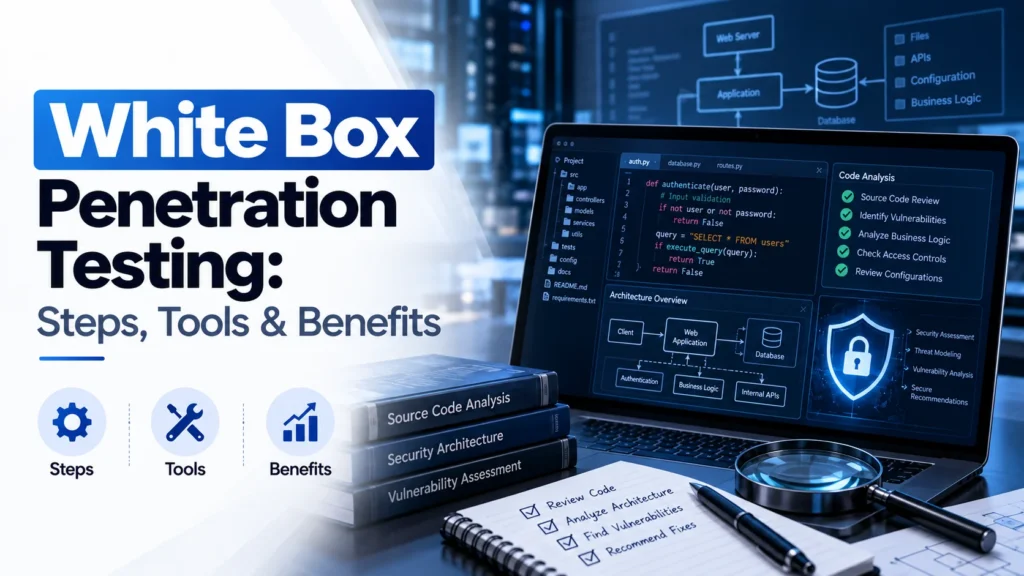
Some security weaknesses are difficult to understand by looking only at what is visible from the outside. Problems may exist
Certain security threats only become visible when a user logs in, which presents a major issue for security businesses thinking
Security testing approaches may change based on how much information the tester receives before beginning the test. Black Box Penetration
Penetration testing helps organizations understand their security weaknesses, and the types of penetration testing in cybersecurity determine how different systems
If you are researching SOAR vs MSSP, you are likely trying to strengthen detection and response without overbuilding your security
Share a few details about your needs, and we’ll connect you with the right specialist who can guide you on the next steps within one business day.