
Disaster Recovery Planning Services in the USA For Faster Recovery
Most organizations discover the gaps in their disaster recovery plan during an actual event rather than before one. CyberZEALS provides disaster recovery as a service across the USA that designs, documents, and validates recovery plans before the event that tests them so your organization recovers within its acceptable timeframes rather than discovering during a crisis that nobody actually knew the recovery sequence.

IT Disaster Recovery Consulting Services That Start From Your Business Requirements
Most disaster recovery plans are built around what IT can technically recover, not what the business operationally requires. The result is a recovery sequence that restores systems in the order that is technically convenient rather than the order that keeps the business running. Our IT disaster recovery consulting services begin from the business impact side establishing which operations cannot tolerate downtime and by how much, then designing recovery architectures that meet those business requirements rather than building the business requirements around what IT already has in place.
Five Business Outcomes Business Continuity and Disaster Recovery Services Protect
Business continuity and disaster recovery services protect the outcomes that keep a company stable during disruption. They reduce downtime by giving teams a tested recovery path, protect critical data through reliable backup and restore planning, and preserve customer trust when systems fail. They also support compliance by documenting recovery controls, response roles, and evidence for audits. Most importantly, they keep operations moving when cyber incidents, outages, natural disasters, or infrastructure failures occur. With the right plan, your business can recover faster, limit financial loss, and avoid confusion when every minute matters across people, processes, systems, and customer-facing services.
- Recovery Timelines Your Customers Will Not Notice
- Data Integrity Confirmed Before a Loss Event Occurs
- Cloud Disaster Recovery Service That Scales on Demand
- Compliance Evidence Through Backup Disaster Recovery Services
- Disaster Recovery Services for Small Business at Enterprise Quality

Seven IT Disaster Recovery Plan Components We Design and Document
Each component below addresses a specific element of a formal IT disaster recovery plan. All seven are required for the plan to produce consistent recovery outcomes.
Business Impact Analysis for Disaster Recovery Planning
A structured assessment of which business operations depend on which IT systems, the financial and operational impact of each system’s unavailability over time, and the RTO and RPO each system must meet to prevent that impact from crossing your acceptable threshold.
Disaster Scenario Modeling and Recovery Service Design
Realistic disaster scenarios modeled against your specific IT environment hardware failure, ransomware encryption, facility loss, ISP outage, and cloud platform disruption with recovery architecture designed for each scenario rather than one generic DR plan applied to all of them.
Cloud DR Architecture for Continuity Planning And Strategy
Recovery architecture designed for your cloud platforms AWS, Azure, or Google Cloud using the DR capabilities each platform provides, including cross-region replication, cloud-native backup, and automated failover configuration that activates recovery without requiring manual intervention under pressure.
Data Backup Configuration and Verification
Backup schedules, retention policies, encryption settings, and storage tiers configured against your RPO requirements, with backup validation procedures that confirm data integrity and restorability rather than assuming backup jobs that complete without error are producing usable backups.
Communication Procedures for Recovery and Planning
Emergency communication protocols for the recovery period who contacts whom, through which channel, at which point in the recovery sequence, and with what information documented so the people executing the recovery are not making communication decisions under operational pressure.
DR Simulation Testing and Improvement Planning
Tabletop exercises and simulation drills that test the recovery plan against realistic scenarios, identify the steps that fail or take longer than planned, and produce an improvement roadmap that addresses gaps before an actual disaster requires relying on a plan that has never been tested.
Plan Maintenance That Disaster Recovery Providers Sustain
Annual DR plan reviews and updates aligned to changes in your IT environment, your business operations, your compliance requirements, and the vendor landscape your recovery depends on, so the plan at the time of a disaster reflects how your organization actually operates rather than how it operated when the plan was first written.
Need Reliable IT Support in USA
Get professional IT services and solutions designed to support secure, scalable business operations.

What Our DR Planning Engagement Delivers
01
Documented Disaster Recovery Plan
System-specific recovery procedures with sequence, ownership, and time requirements for each step.
02
Business Impact Analysis Report
RTO and RPO requirements per system with financial and operational impact of downtime documented.
03
Recovery Architecture Design Document
Technical recovery design for primary systems with failover configurations and cloud DR specifications.
04
Backup Verification and Test Results
Documented confirmation that backup data is intact, restorable, and meeting RPO requirements.
05
Emergency Communication Directory
Contact list, escalation sequence, and communication channels for the recovery team and stakeholders.
Five Steps in Our DR Planning Process
BIA and Recovery Requirement Definition
Business operations mapped to IT systems with RTO and RPO targets confirmed per system.
Scenario Modeling and Architecture Design
Realistic failure scenarios modeled and recovery architecture designed against confirmed requirements.
Plan Documentation and Procedure Writing
Step-by-step recovery procedures written, reviewed, and organized for the people executing them.
Implementation, Training, and Simulation
Recovery configurations deployed, team trained, and tabletop simulation conducted to validate the plan.
Annual Review and Plan Currency Maintenance
Plan updated annually and when significant IT or business changes affect the recovery architecture.
Five Reasons CyberZeals Is the Best Cloud Disaster Recovery Service Partner for US Businesses
Disaster recovery programs that deliver consistent recovery outcomes are designed around your actual business requirements, tested before they are needed, and maintained as your environment changes. CyberZeals builds DR programs that check all three boxes.

RTO and RPO Aligned to Your Business
Recovery time and data loss objectives set against your actual compliance requirements and customer commitments rather than generic DR best practices that may not match what your organization actually needs.

Multi-Framework Compliance Evidence
DR planning documentation is produced to satisfy the recovery planning requirements in HIPAA, PCI DSS, SOC 2, ISO 27001, and NIST, formatted for auditor review rather than for internal reference only.

Plans Validated Before You Need Them
Every DR plan we produce is tested through tabletop simulation before you rely on it, so the gaps are found during an exercise rather than during an actual recovery event when finding gaps creates additional downtime.

Plain-Language Documentation And Procedure
Recovery procedures written for the people executing them rather than for the people who designed them, so every step is clear without requiring the author present to explain what they meant.

Documentation Reviews Plans That Stay Current
Annual plan reviews and update triggers for significant IT changes keep your recovery documentation current rather than accurate when written and progressively less reliable as your environment evolves around it.
Across Key Industries
Achieved targeted RPO/RTO with cloud backup and disaster recovery, ensuring rapid data restoration and uptime.
CyberZEALS transitioned pro services firm from break-fix to managed IT, slashing critical incidents 40% via continuous monitoring.
Disaster Recovery Planning That Turns Downtime Into a Controlled Response
CyberZeals builds disaster recovery plans around your business priorities, critical systems, recovery timelines, and operational risk. We define what must recover first, who owns each step, and how your team should respond when disruption hits.
Recovery Priority Mapping
We identify critical systems, business dependencies, RTO targets, and RPO limits before writing the recovery plan.
Backup and Failover Readiness
We review backup integrity, restore paths, failover options, and recovery controls for real-world reliability.
Recovery Testing and Updates
We validate the plan through testing, document gaps, and update procedures as your environment changes.
How We Build A Reliable Disaster Recovery Strategy
We review your business operations, critical systems, data dependencies, and recovery objectives to understand your continuity needs. This helps identify priorities and define the right approach for preparing your organization for potential disruptions.
We create a structured disaster recovery plan based on your infrastructure, operational requirements, and recovery goals. This includes defining recovery processes, responsibilities, and strategies to support faster response during unexpected events.
We help document recovery workflows, identify necessary resources, and organize response activities to improve operational readiness. Our approach ensures teams have a clear direction when recovering critical systems and services.
We evaluate recovery plans, identify improvement opportunities, and refine strategies as your business and technology environment change. This helps maintain a more resilient and prepared organization over time.
Business Success Stories
"CyberZEALS helped us build a stronger disaster recovery strategy and prepare for unexpected situations. Their team made the process clear and helped us improve our recovery readiness."
Lucas Merritt
IT Manager
"We needed a better plan to protect our data and keep operations running during disruptions. CyberZEALS provided the guidance and solutions we needed to improve our business continuity approach."
Audrey Callahan
Operations Director
"CyberZEALS helped us review our recovery needs and implement a more reliable approach. Their team provided practical recommendations that improved our confidence in our backup and recovery process."
Mason Sterling
Systems Administrator
"Our disaster recovery planning needed more structure and direction. CyberZEALS helped us create a strategy that better supports our systems and business requirements."
Eva Montgomery
Technology Manager
"CyberZEALS provided valuable support in strengthening our disaster recovery capabilities. They helped us identify areas for improvement and prepare a more effective recovery plan."
Calvin Rhodes
Infrastructure Lead
"We wanted a disaster recovery solution that matched our business needs. CyberZEALS helped us develop a practical approach focused on protecting our data and minimizing downtime."
Nora Beaumont
IT Operations Specialist
⭐⭐⭐⭐⭐ 5.0/5
CyberZEALS helped us build a stronger disaster recovery strategy and prepare for unexpected situations. Their team made the process clear and helped us improve our recovery readiness.
IT Manager
⭐⭐⭐⭐⭐ 5.0/5
We needed a better plan to protect our data and keep operations running during disruptions. CyberZEALS provided the guidance and solutions we needed to improve our business continuity approach.
Operations Director
⭐⭐⭐⭐⭐ 5.0/5
CyberZEALS helped us review our recovery needs and implement a more reliable approach. Their team provided practical recommendations that improved our confidence in our backup and recovery process.
Systems Administrator
⭐⭐⭐⭐⭐ 5.0/5
Our disaster recovery planning needed more structure and direction. CyberZEALS helped us create a strategy that better supports our systems and business requirements.
Technology Manager
⭐⭐⭐⭐ 4.0/5
CyberZEALS provided valuable support in strengthening our disaster recovery capabilities. They helped us identify areas for improvement and prepare a more effective recovery plan.
Infrastructure Lead
⭐⭐⭐ 3.0/5
We wanted a disaster recovery solution that matched our business needs. CyberZEALS helped us develop a practical approach focused on protecting our data and minimizing downtime.
IT Operations Specialist
We are dedicated to transforming businesses through innovative and future migration, storage We are dedicated to transforming businesses.
FREQUENTLY ASKED QUESTIONS
Disaster Recovery Questions Organizations Ask Before Starting a DR Program
What is disaster recovery planning?
Disaster recovery planning involves creating strategies and processes to restore IT systems and operations after unexpected disruptions.
Why do businesses need a disaster recovery plan?
Businesses need disaster recovery plans to reduce downtime, protect operations, and prepare for unexpected events.
What does CyberZEALS include in disaster recovery planning?
CyberZEALS helps businesses evaluate recovery needs, create strategies, and develop plans to support business continuity.
Can CyberZEALS review an existing disaster recovery plan?
Yes, CyberZEALS can assess existing recovery plans and recommend improvements based on business requirements.
How does disaster recovery planning reduce business risks?
Disaster recovery planning helps businesses prepare for disruptions and restore critical operations more effectively.
Who can benefit from disaster recovery planning services?
Businesses that depend on reliable IT operations and want to prepare for unexpected disruptions can benefit from these services.
Recent articles and News
from our blog
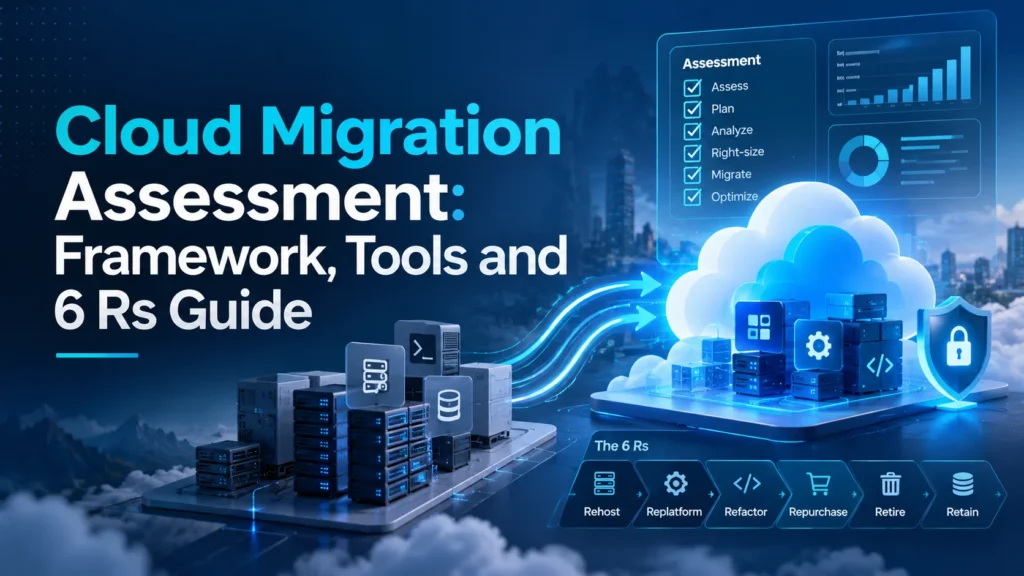
Moving workloads, applications, and data to the cloud requires more than simply transferring existing systems to a new environment. Businesses
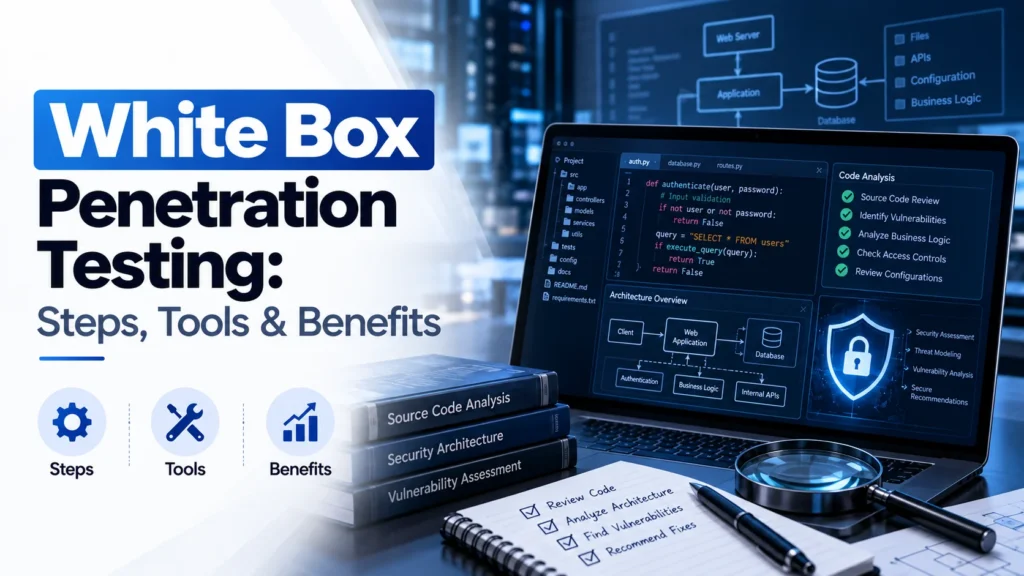
Some security weaknesses are difficult to understand by looking only at what is visible from the outside. Problems may exist
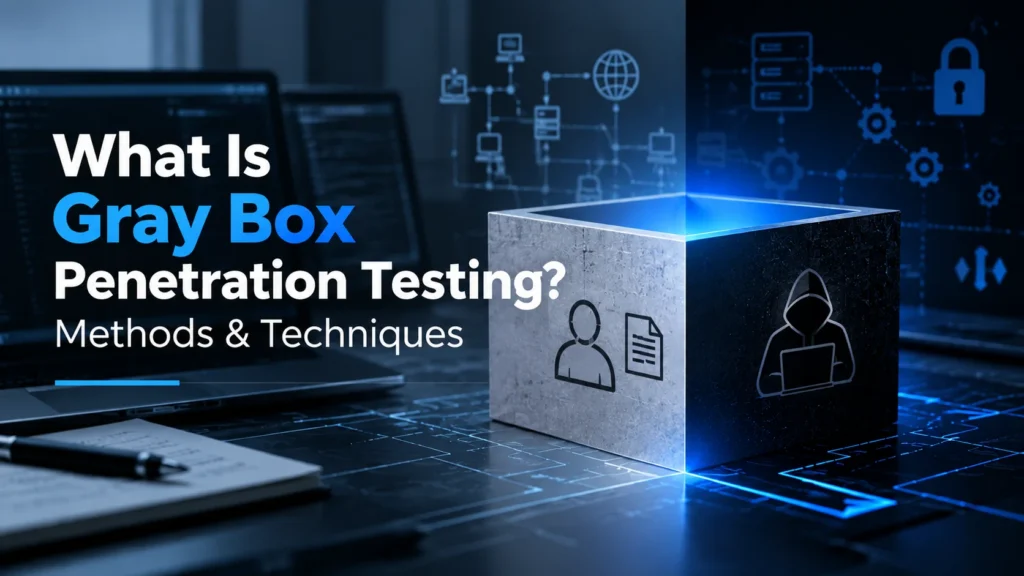
Certain security threats only become visible when a user logs in, which presents a major issue for security businesses thinking
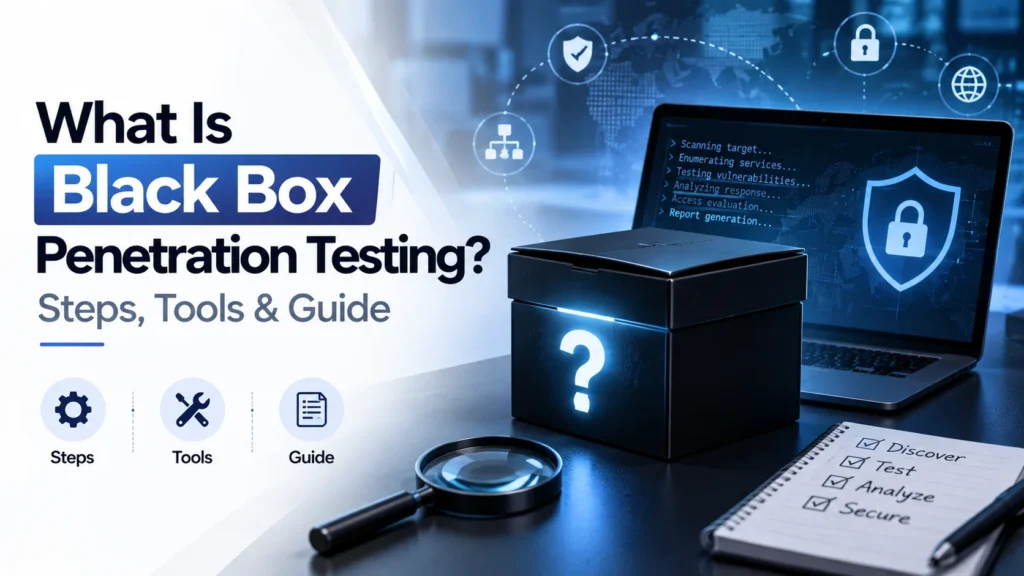
Security testing approaches may change based on how much information the tester receives before beginning the test. Black Box Penetration
Penetration testing helps organizations understand their security weaknesses, and the types of penetration testing in cybersecurity determine how different systems
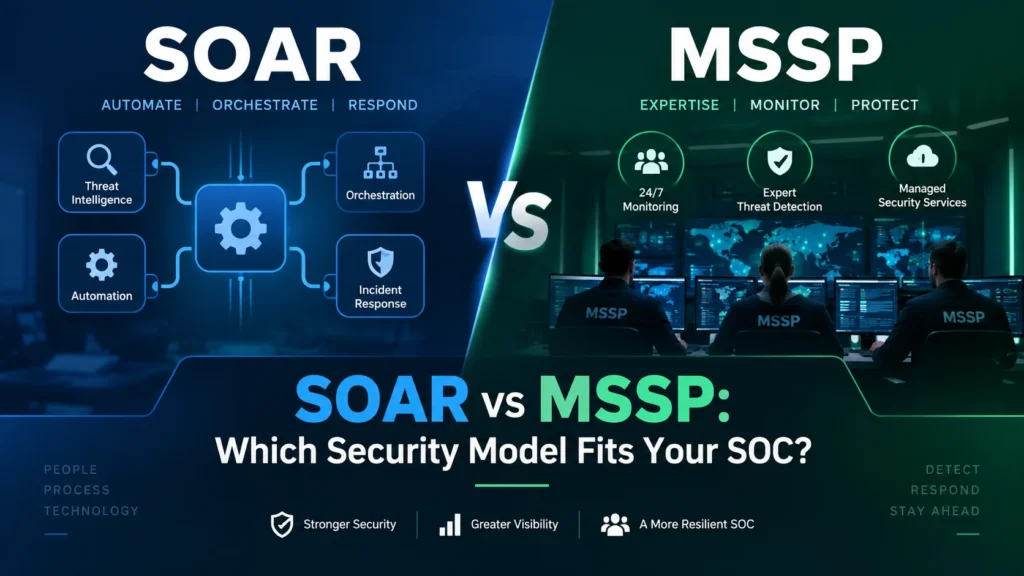
If you are researching SOAR vs MSSP, you are likely trying to strengthen detection and response without overbuilding your security
Share a few details about your needs, and we’ll connect you with the right specialist who can guide you on the next steps within one business day.